
For three days this October, the conversations around music in Sofia will extend well beyond what is happening on stage.
SoAlive Music Conference & Festival returns from 14 to 16 October for its fourth edition, bringing together artists and more than 300 music professionals from Southeast Europe and beyond. Alongside the conference programme, more than 50 live performances will take place across several Sofia venues, with the showcase concerts open to the public for free.
At the centre of SoAlive is a question that feels particularly relevant for this part of Europe: how does music travel when it is created outside the industry’s usual centres?
It runs through much of this year’s programme – in discussions about touring, discovery, journalism, distribution, rights and the economics of making music. Artists from smaller markets may have the same access to streaming platforms as anyone else, but access to international media, booking agents, festivals and industry networks is another matter.
For Southeast Europe, this gap is particularly interesting. The region has no shortage of music moving between languages, traditions and contemporary forms. The professional routes that allow it to circulate internationally are still catching up.
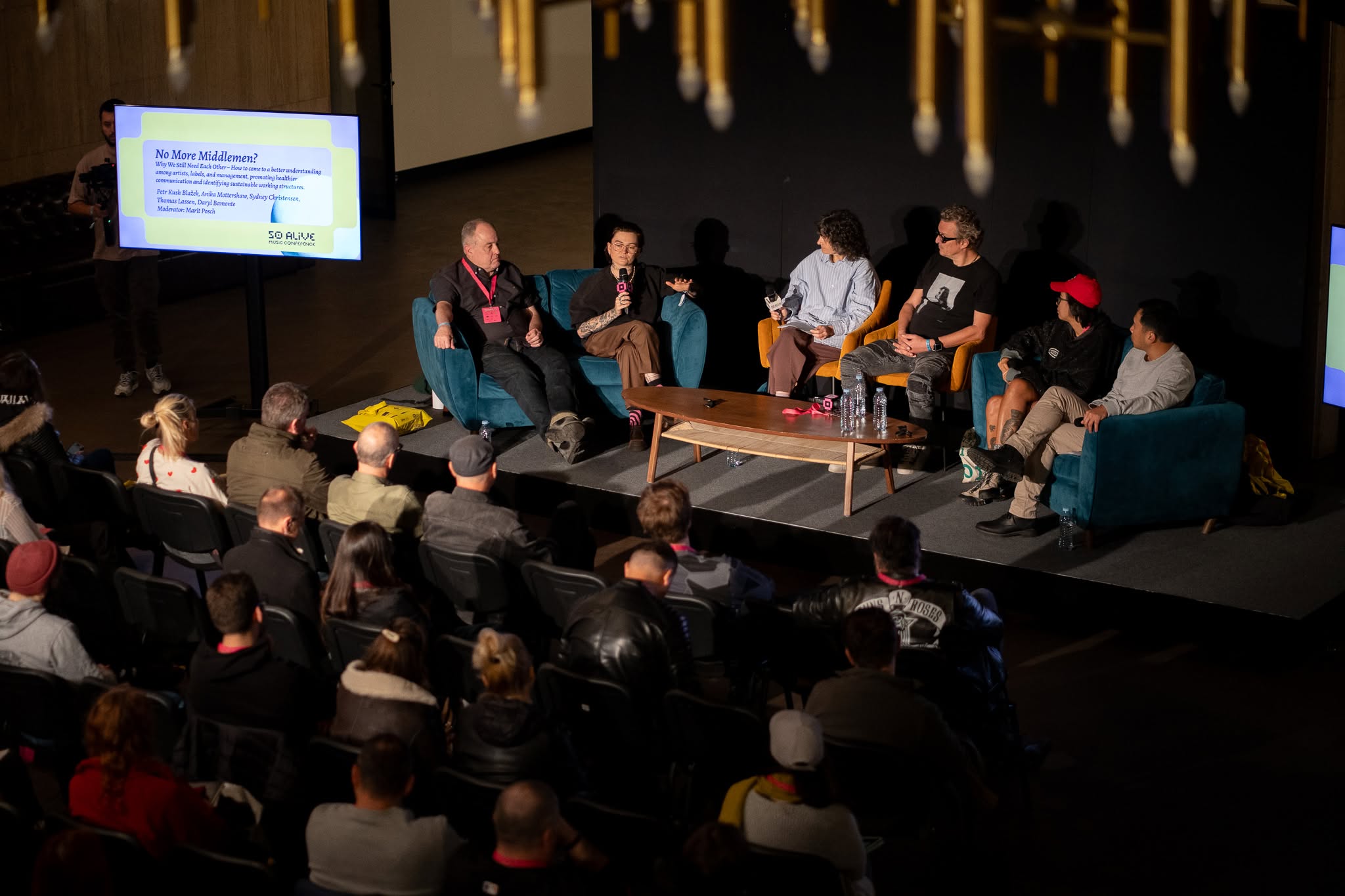
photo: A panel discussion during SoAlive Music Conference in Sofia (2025)
Beyond being discovered
Several sessions this year look at what happens after an artist becomes visible. Elsewhere, discussions around distribution and artist economics move beyond simply getting music onto platforms.
That distinction matters. Much of the language around emerging artists still centres on “discovery”, as though being found were the final destination. The harder questions often come afterwards: who helps an artist build beyond that first moment of attention, and who benefits when the music succeeds?
A headline conversation between The Orchard co-founder Scott Cohen and IQ Magazine journalist Gordon Masson will also look at the gap between the value music creates and the share that eventually reaches artists and composers.
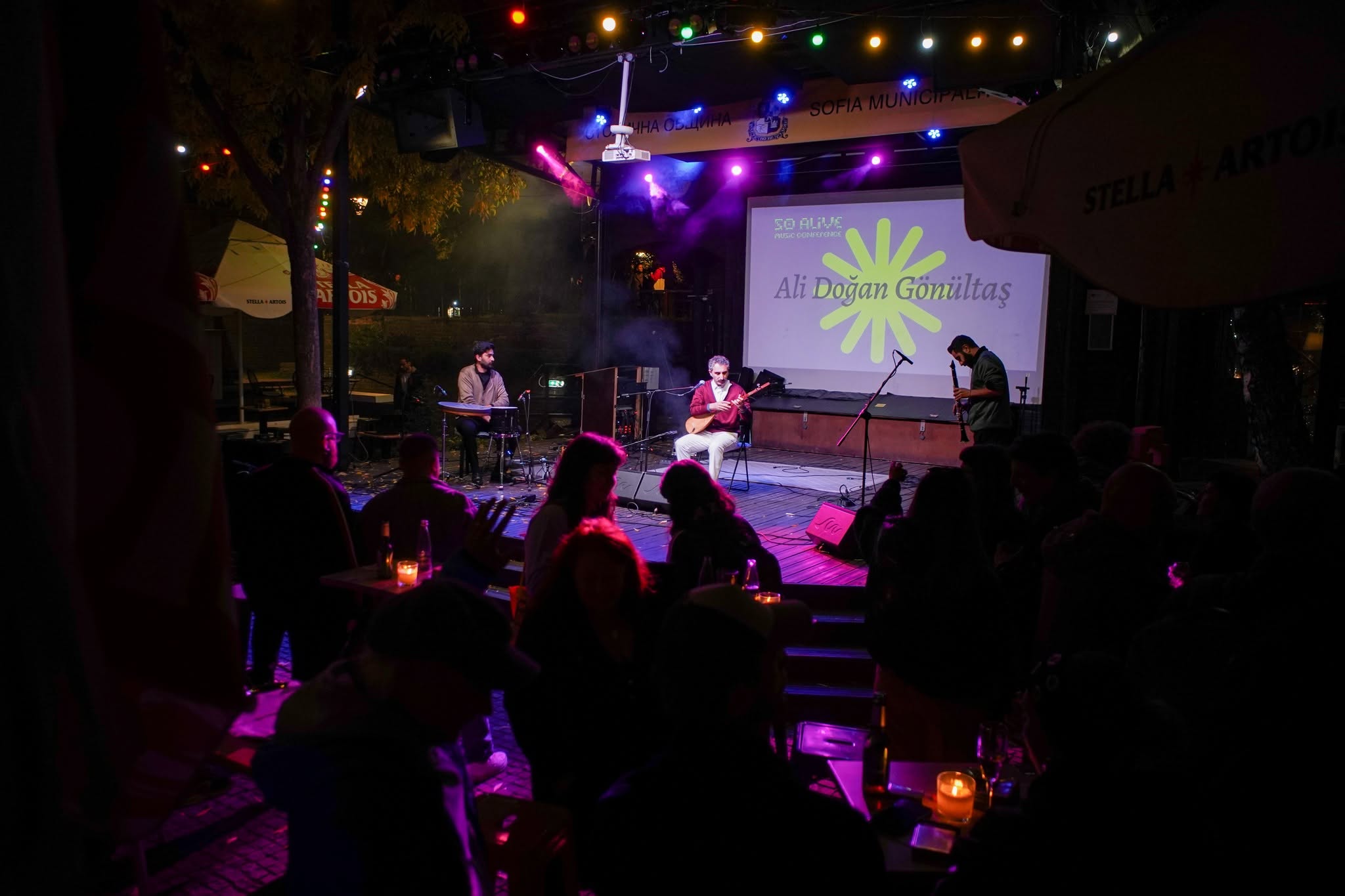
photo: Ali Doğan Gönültaş performing at SoAlive Music Conference in Sofia (2025)
AI, ownership and responsibility
The conference opens with Who Owns THIS? AI, Copyright and the Fight for Music’s Future, looking at consent, licensing, metadata and compensation around generative AI.
For smaller music cultures, there is another question underneath this: what happens to music rooted in less visible languages, traditions and scenes when it enters systems built from enormous datasets with very little context?
Questions of responsibility also run through the programme. Music Is Not Neutral: Taking a Stand When Silence Becomes a Position looks at what it means for festivals and music media to speak up when cultural work is shaped by political pressure, public debate and the realities outside the industry itself.
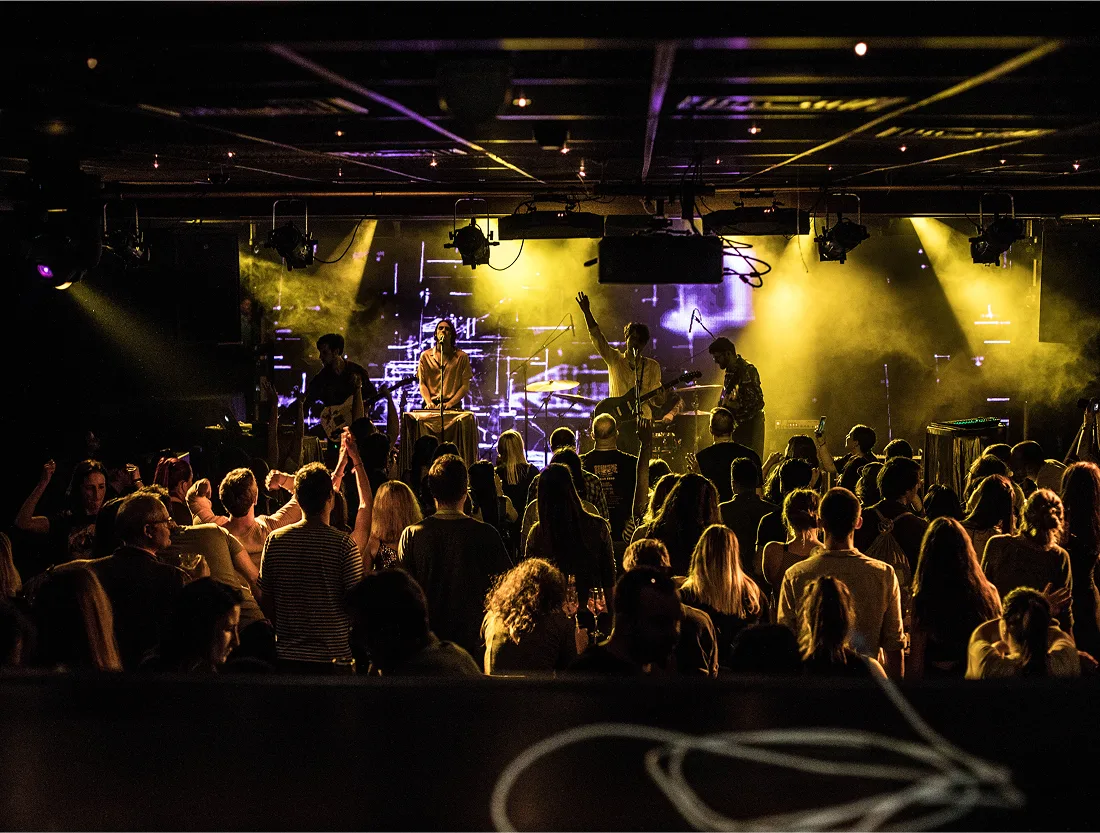
photo: A live showcase during SoAlive Music Festival in Sofia (2023)
From Talking to Listening
During the day, SoAlive moves between panels, workshops, listening sessions and meetings. In the evening, the focus shifts into Sofia’s clubs, where artists from Bulgaria, the Balkans and the rest of Europe take over the showcase stages. The strength of SoAlive lies in bringing those two worlds together – the artists on stage and the people helping their music move beyond it.
For DINYA, this year’s edition raises questions that stretch beyond the three days themselves: how regional music is written about, whether geography still determines who gets heard, and what independent artists actually need once somebody has discovered them.
SoAlive Music Conference & Festival 2026 takes place in Sofia from 14–16 October; the conference requires a Full Access PRO Pass, while the festival showcases are free to attend. Full programme here.
text: Sofia Hussen for Dinya
photos: archive SoAlive Music Conference


