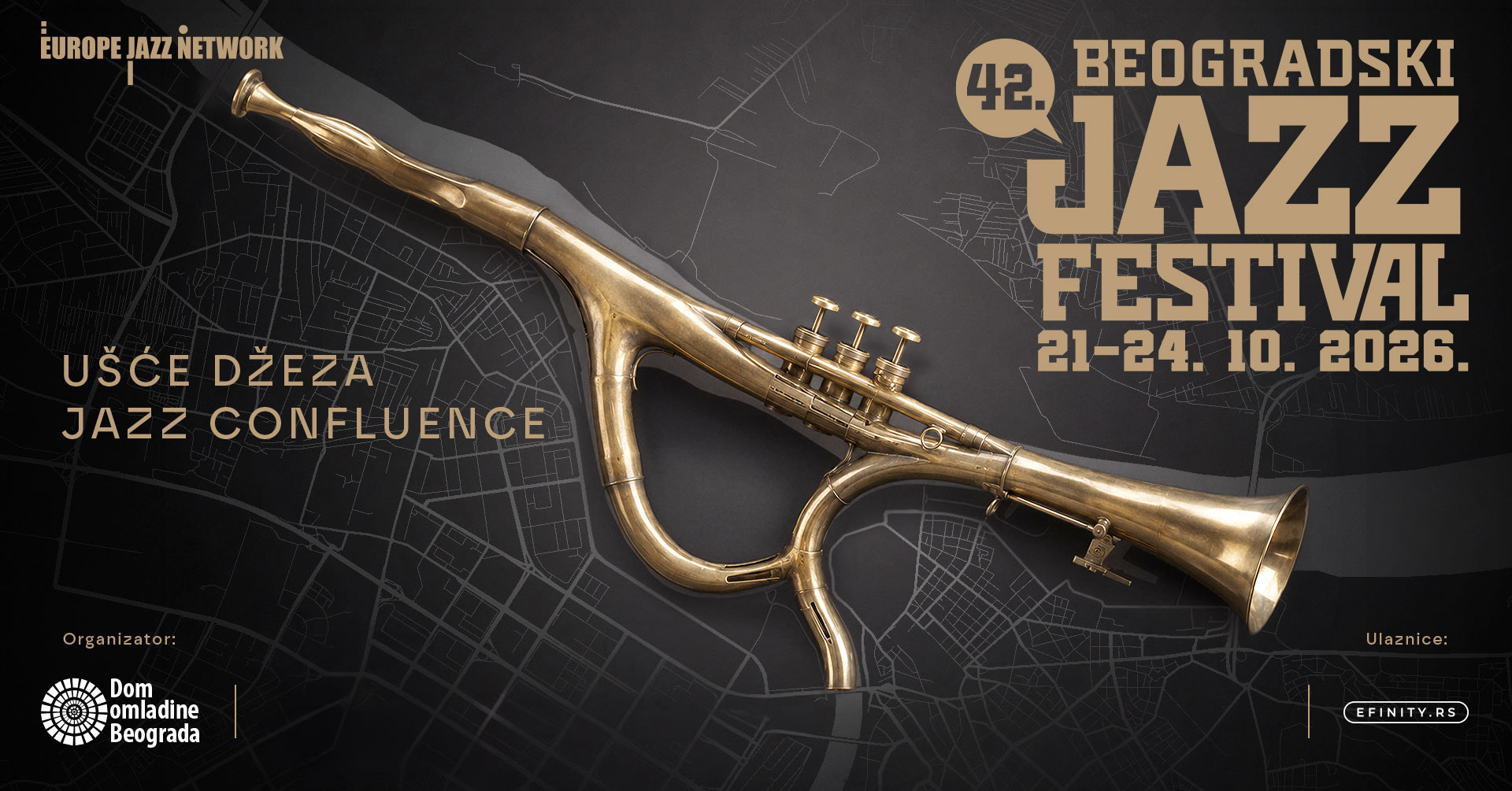
Back in 2020, Belgrade Jazz Festival music director Vojislav Pantić told DINYA that “a festival wouldn’t be any good if it only consisted of headliners.” He was talking about giving established musicians and new discoveries space in the same programme. Six years later, the festival’s 42nd edition still makes a convincing case for that approach.
Running from 21 to 24 October at Dom omladine Beograda, this year’s festival presents 13 concerts and a closing jam session under the title Jazz Confluence. Its visual takes inspiration from the meeting of the Sava and Danube beneath Kalemegdan. The music, meanwhile, refuses to settle on a single definition of jazz.
A homecoming to open the festival
Wednesday’s opening brought Serbian-born blues guitarist Ana Popović back to the venue where she played some of her first major concerts three decades ago. Now marking her 50th birthday and 25 years since her solo debut Hush, she is the festival’s first blues headliner. The choice also nods to its early editions, which welcomed artists including B. B. King and Muddy Waters. Vladimir Nikolov’s nonet opened the evening with the premiere of History Now, a programme that revisits jazz history from a contemporary perspective.
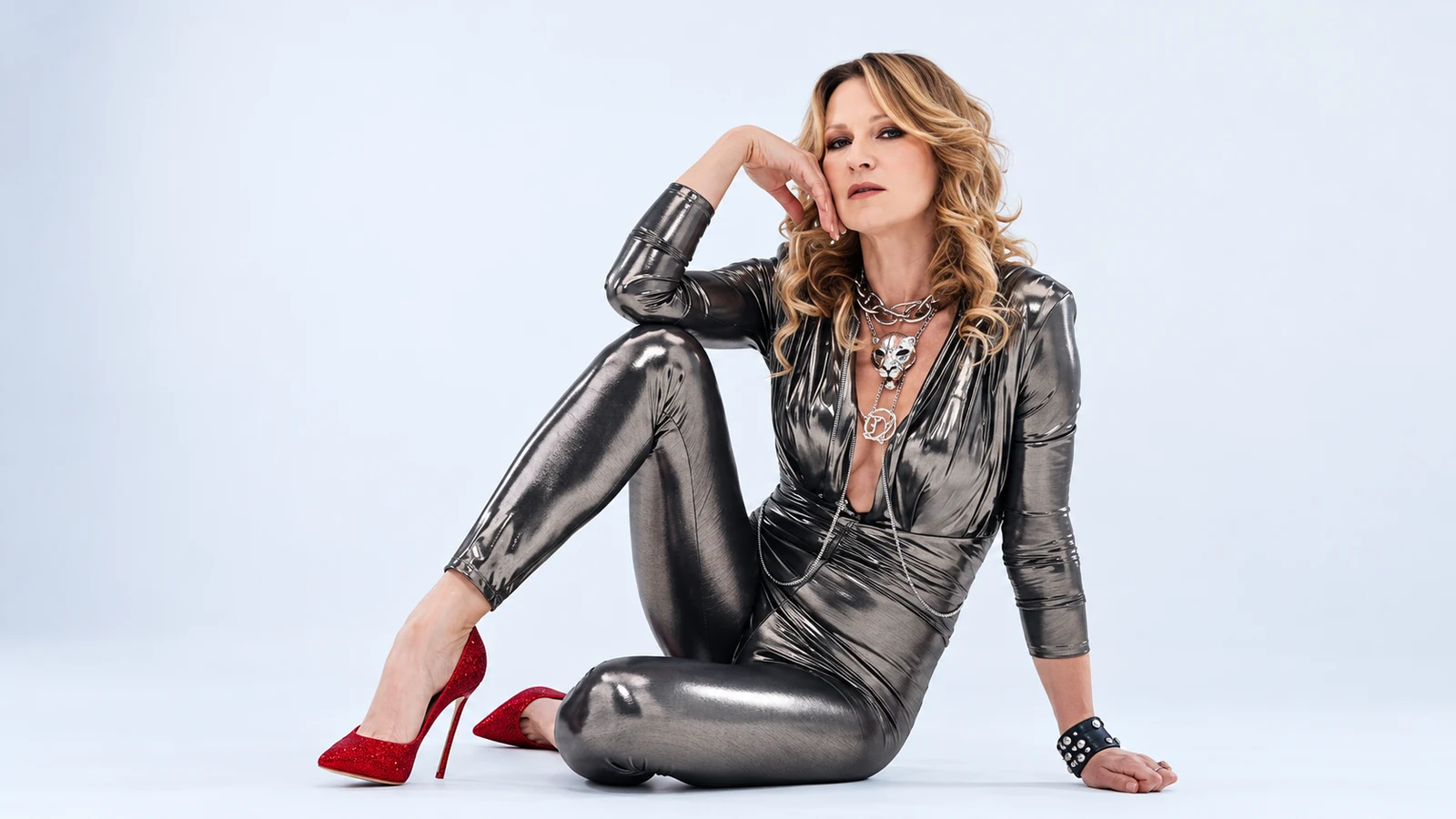
photo: Ana Popovic by Martin Sarovski
Different paths through the programme
One of the most intriguing collaborations comes on Friday: The Messthetics, featuring former Fugazi rhythm-section members Joe Lally and Brendan Canty alongside guitarist Anthony Pirog, join forces with tenor saxophonist James Brandon Lewis. It is a pairing that gives the festival’s adventurous side a particularly compelling face.
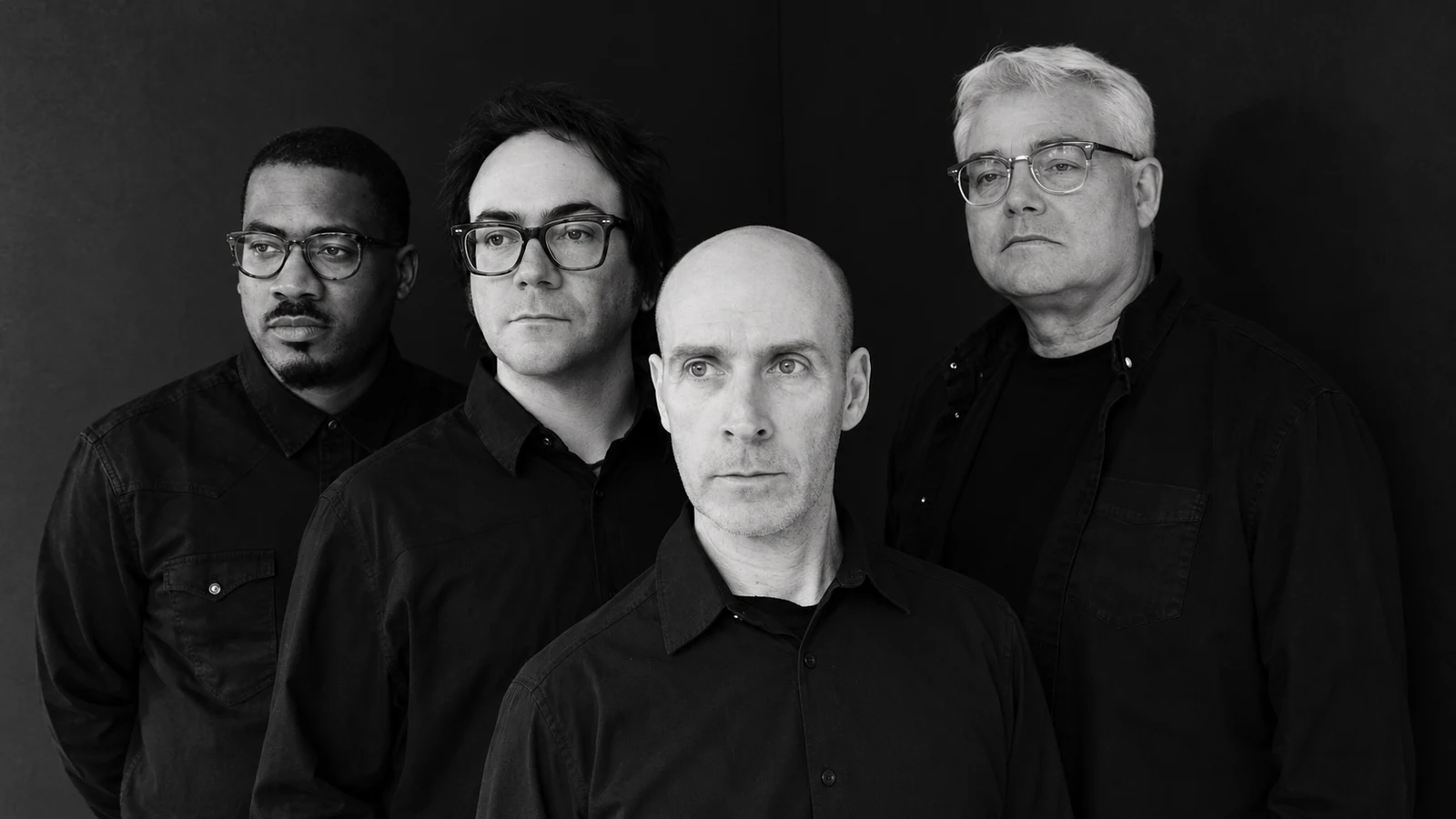
photo: The Messthetics and James Brandon Lewis by Shervin Lainez
Another thread leads back to Chicago. Rob Mazurek and Chad Taylor bring Chicago Underground Duo, whose 2025 album Hyperglyph was their first under that name in 11 years. Trumpet, percussion and electronics form the basis of their restless improvisations. On Saturday, trumpeter Marquis Hill brings Blacktet Revisited, taking jazz into conversation with hip-hop, R&B, neo-soul and Chicago house. A winner of the Thelonious Monk Competition, Hill treats these sounds not as separate genres but as part of a shared musical language, with groove and improvisation at its heart. Violinist Arun Ramamurthy, meanwhile, brings his grounding in South Indian Carnatic music into a contemporary jazz trio.
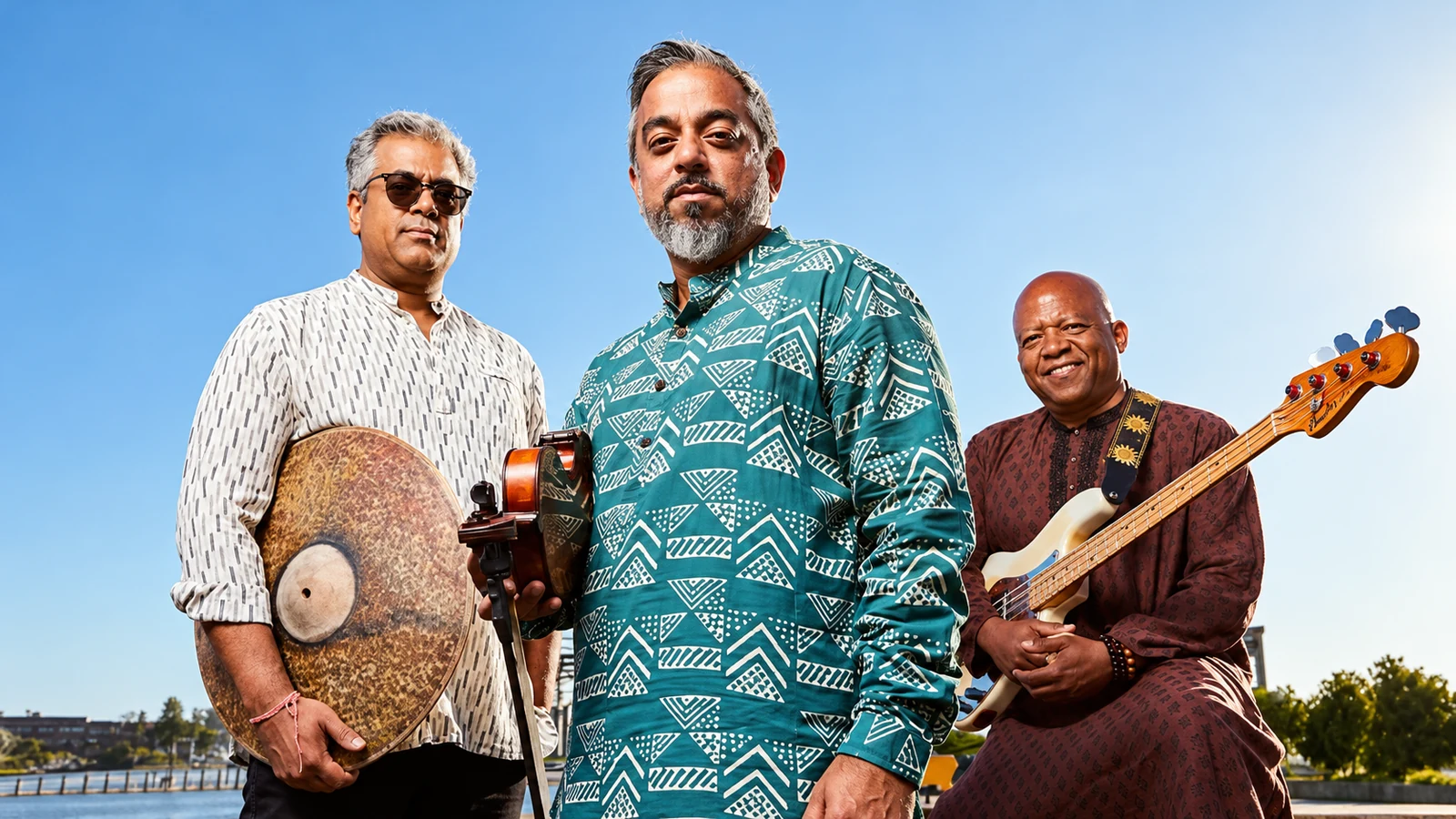
photo: Arun Ramamurthy Trio by Kevin Allen
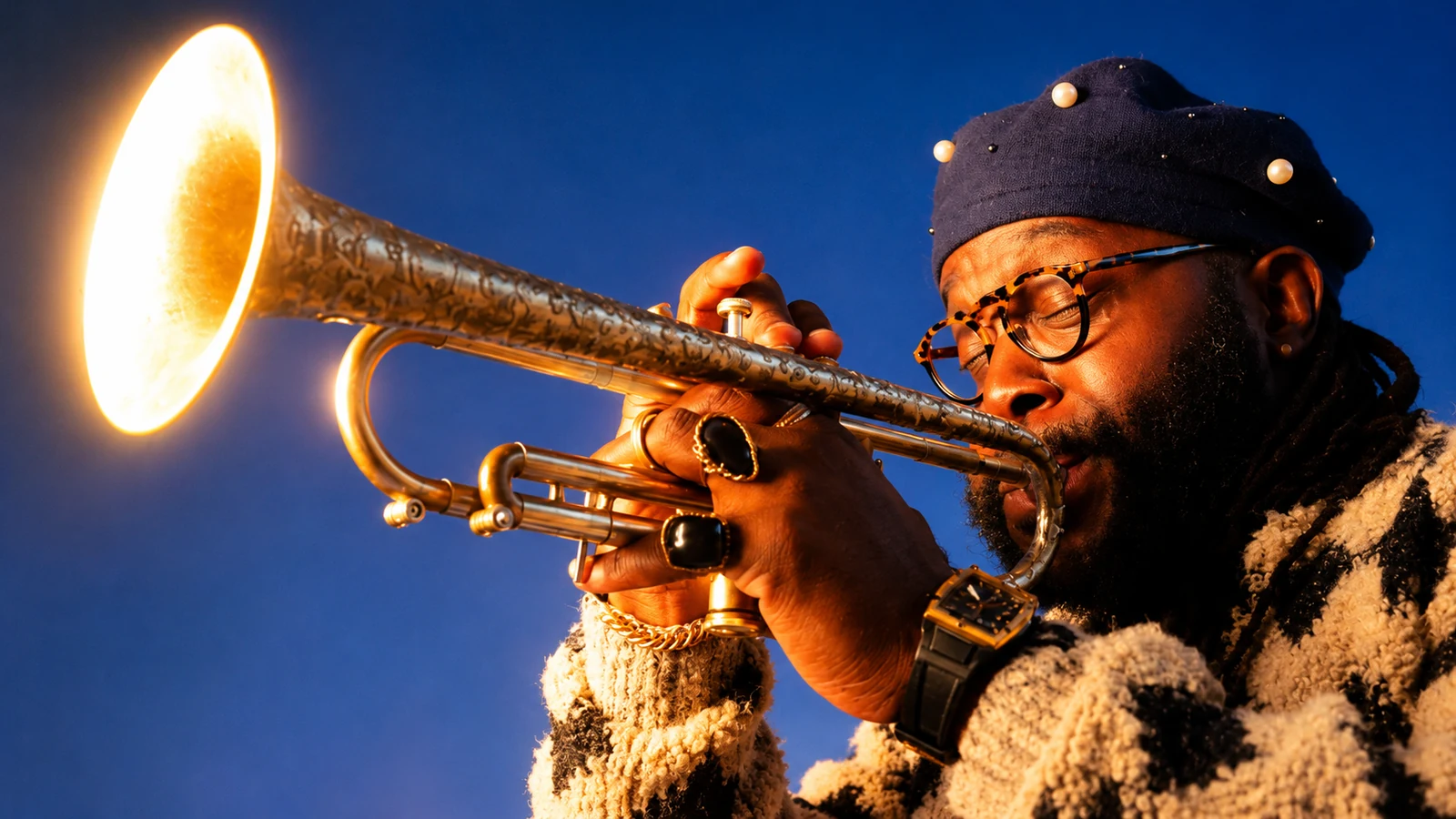
photo: Marquis Hill Blacktet Revisited by Chollette
The European artists offer just as many directions. Italian saxophonist Tino Tracanna arrives with Panorchestra, an octet built around six horn players. Swiss vocalist Andreas Schaerer performs with Spanish pianist Daniel García, while Portugal’s João Paulo Esteves da Silva Quartet presents País Distante. Friday’s Seifert Night gives the late programme over to emerging Polish jazz.
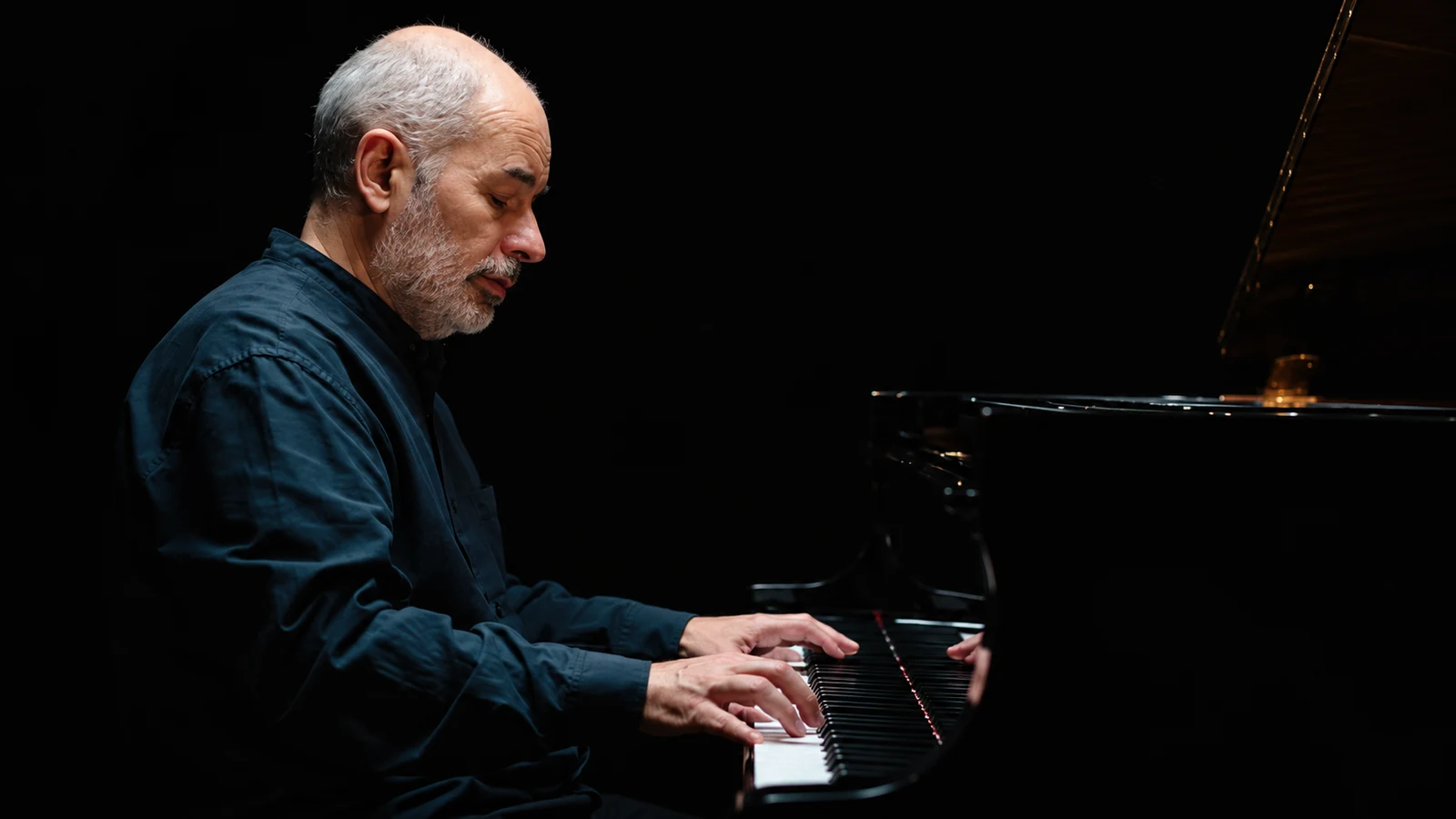
photo: Joao Paulo Esteves da Silva Quartet by Luís Roquette Valdez & Joaquim Lourenço
The local scene has its say
The festival also gives Serbian musicians room to introduce new work. Trumpeter Ivan Radivojević premieres the complete music from his forthcoming second album, Not Quite Sun, Not Quite the Moon, with Rastko Obradović joining his quartet. On Saturday, baritone saxophonist Đorđe Kujundžić brings Latin rhythms, blues, Balkan references and an affection for cabaret into his own compositions.
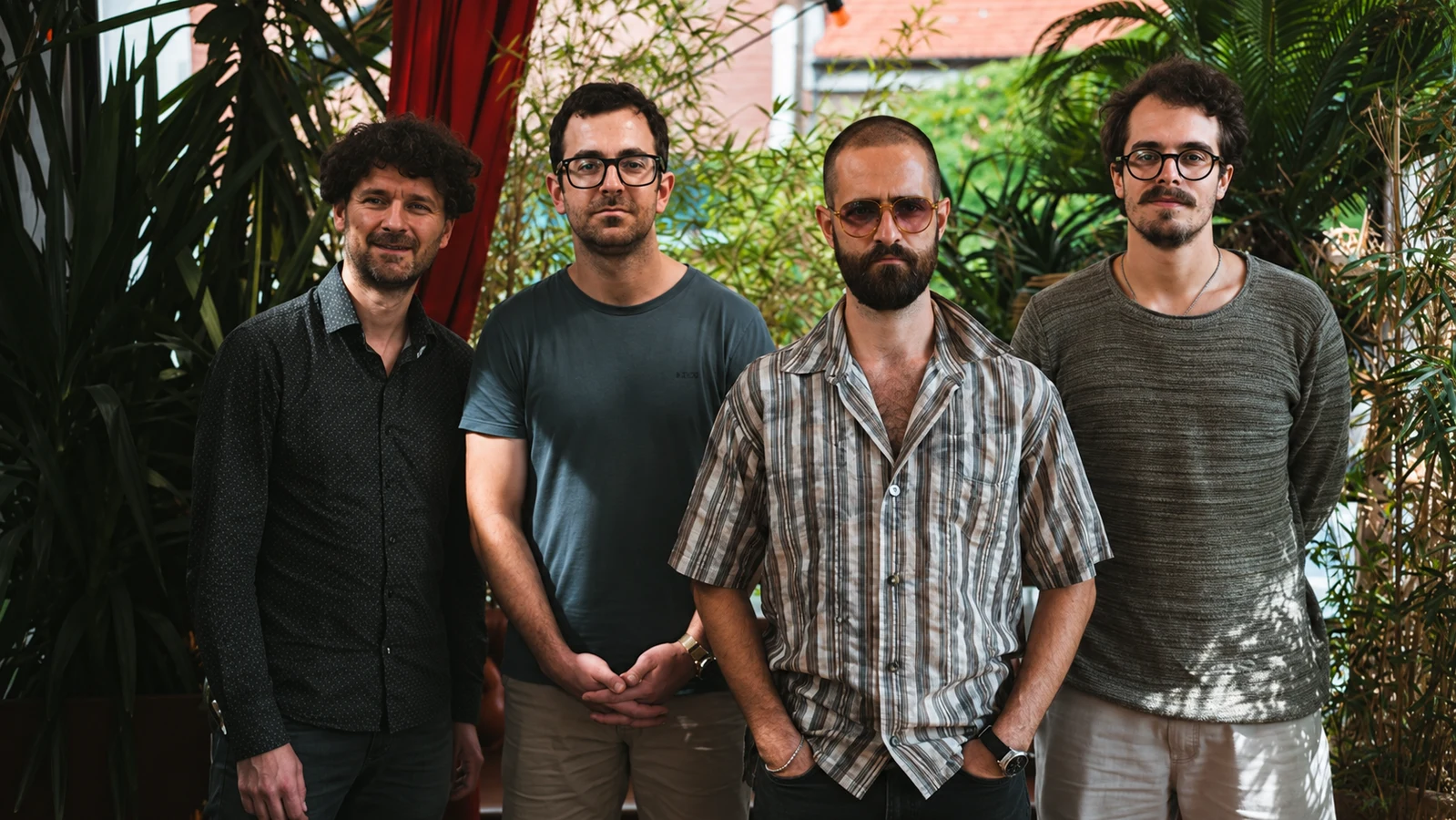
photo: Djordje Kujundzic Quartet by David Stanley
With 12 groups appearing at the festival for the first time, the programme leaves plenty of room for unfamiliar names. That is part of what makes Belgrade Jazz Festival worth returning to: alongside the artists you came to see, there is always someone you didn’t yet know you needed to hear.
The main concerts take place in Dom omladine’s Main Hall, with later performances in Amerikana Hall.
More information, full programme and tickets: Belgrade Jazz Festival.
text: Sofia Hussein for DINYA
images: courtesy of the festival and the artists