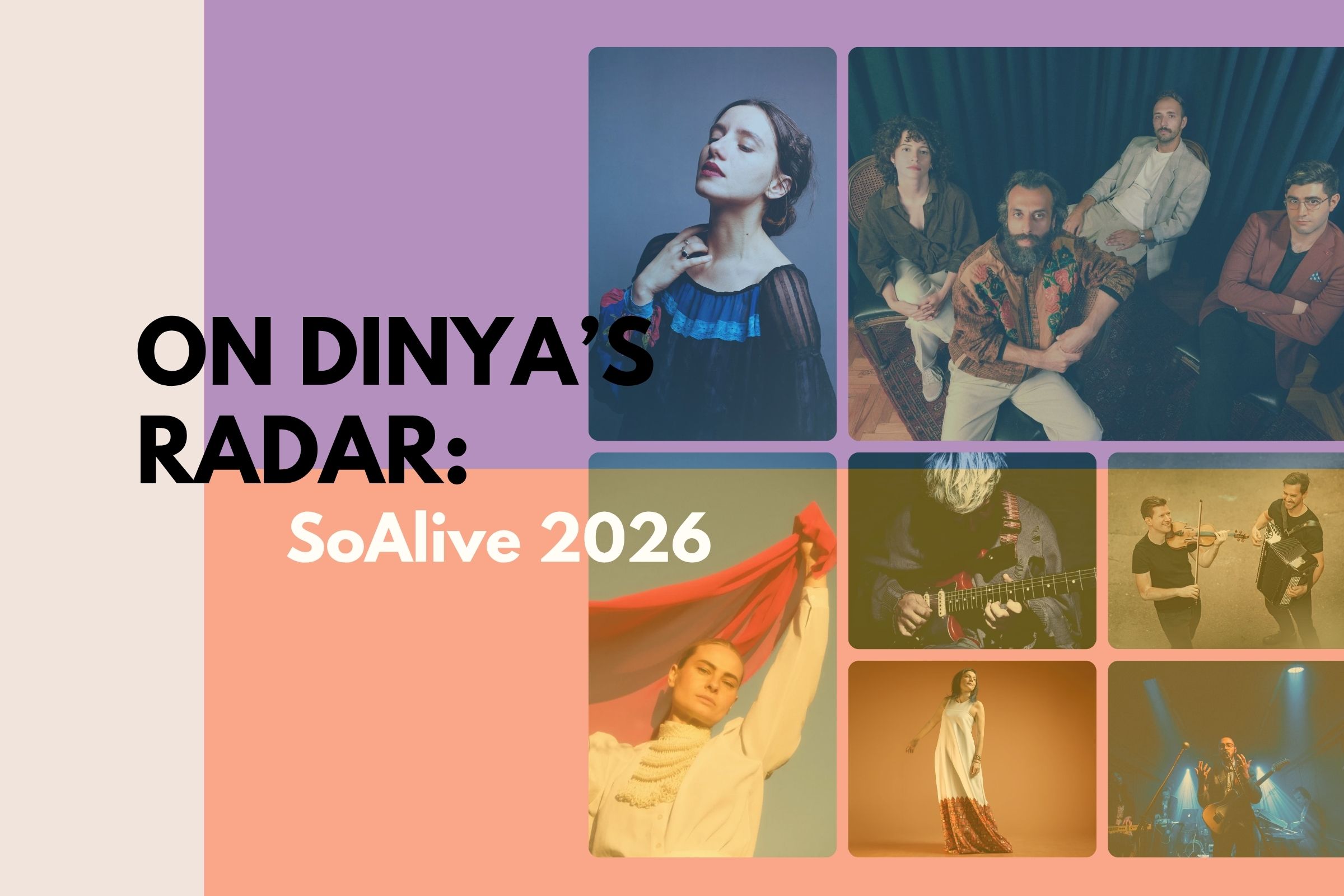
From Ivo Dimchev’s appearance in both the showcase and film programme to broader conversations around artistic freedom, identity and the realities of taking music beyond its local context, here is what stands out at WOMEX 26.
On 21 October, WOMEX opens its 32nd edition in Las Palmas de Gran Canaria. For five days, the event draws artists, programmers, agents, labels, journalists and cultural organisations from across the global music sector. Around 2,600 professionals are expected this year.
Calling the Worldwide Music Expo a festival only tells part of the story. By day, the oceanfront Auditorio Alfredo Kraus and its surrounding spaces will become a trade fair, conference and meeting point. At night, attention will move towards the showcase stages. Films, mentoring sessions, networking formats and the WOMEX Awards run alongside both.
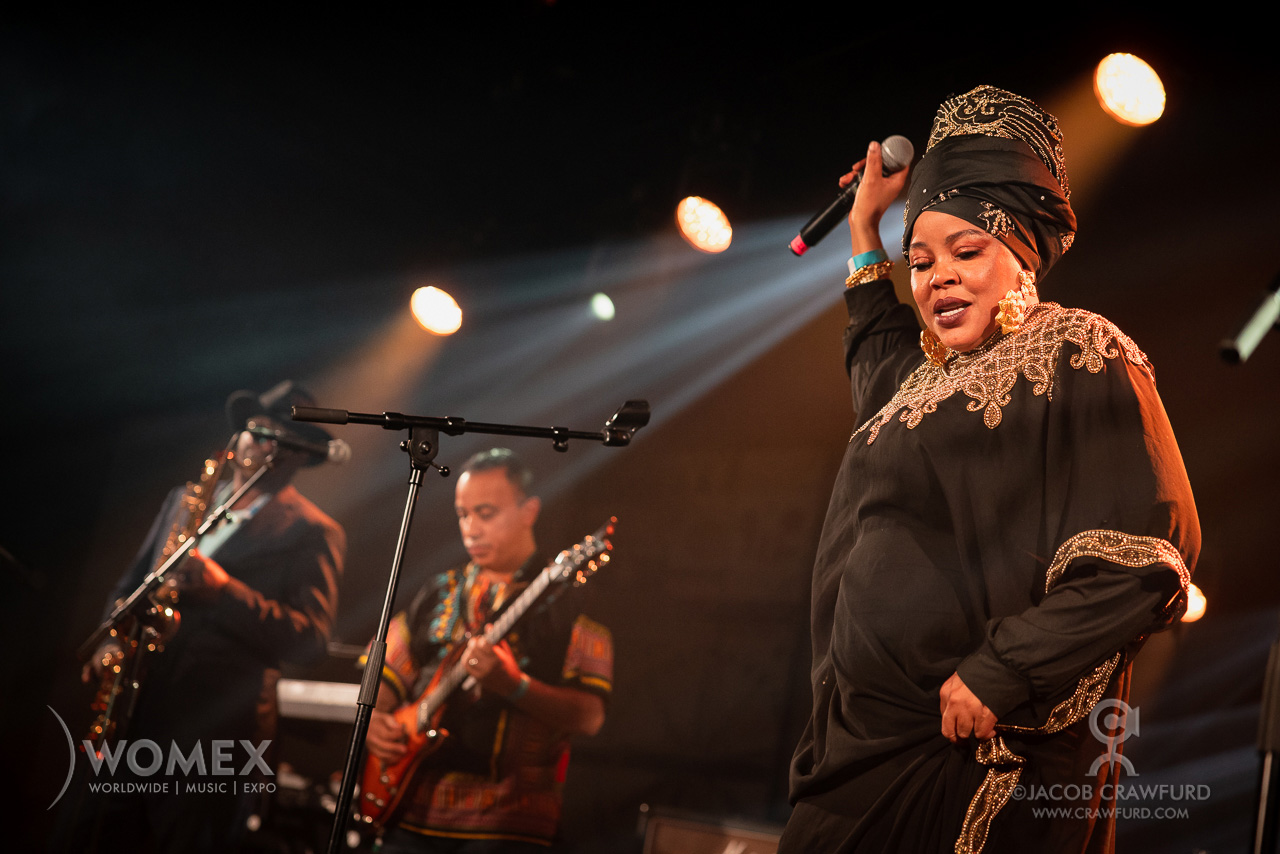
photo: Dur Dur Band by Jacob Crawfurd
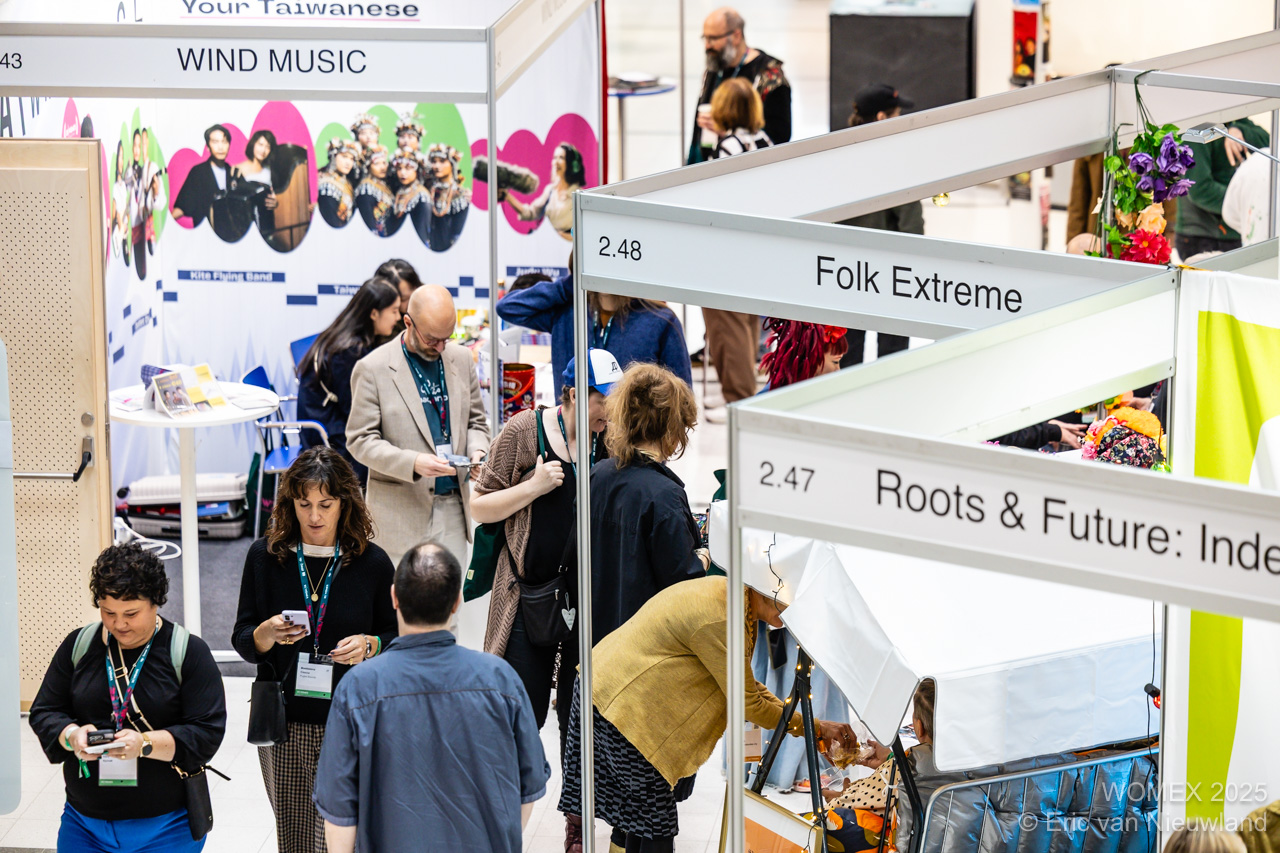
photo: Trade fair Womex by Eric van Nieuwland
The 2026 edition opens with Entre Corrientes / Between the Currents, rooted in its Canarian setting: Ale Acosta, Julia Rodríguez and Marta Bolaños join Alba Carmona & Jesús Guerrero for an opening programme connecting the islands with Catalan and Andalusian traditions.
From there, the musical map expands quickly. The official showcase selection moves between artists from Brazil, Taiwan, La Réunion, Iran, Australia, Iraq, Canada, Finland, Kazakhstan and many places in between. The interesting part is not simply the geography. It is hearing what happens when musical traditions move, meet contemporary production or resist the categories usually placed around them.
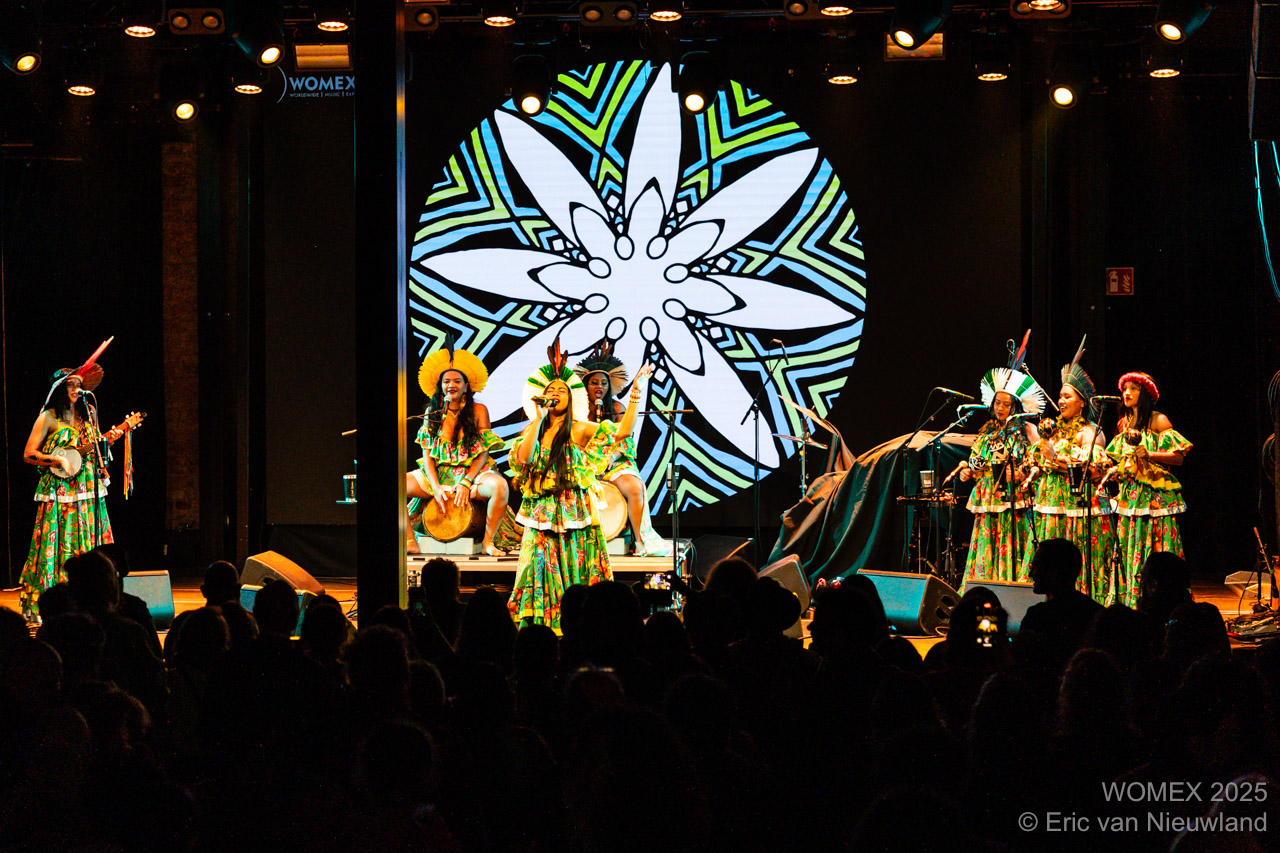
photo: Suraras do Tapajos by Eric van Nieuwland
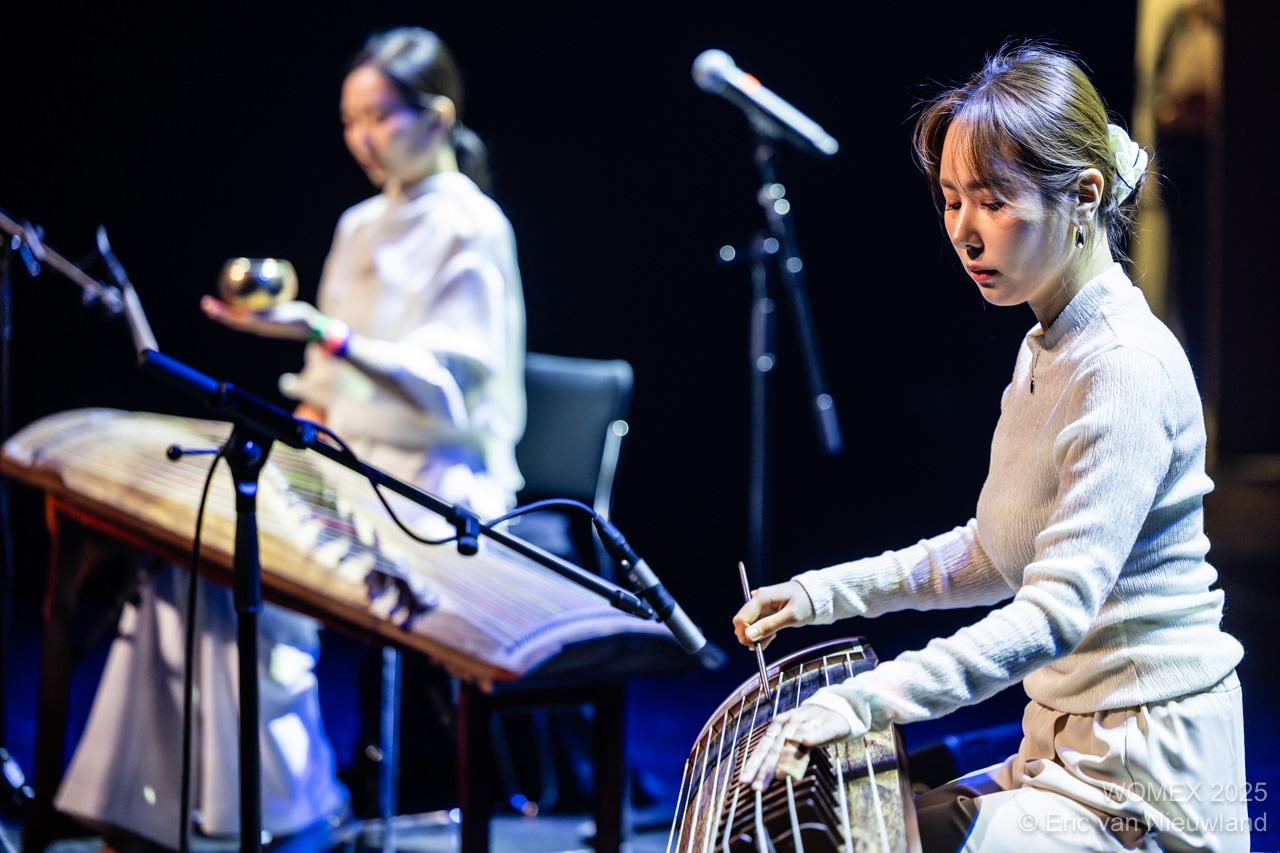
photo: Dalum by Eric van Nieuwland
The daytime programme raises equally current questions. Sessions look at ownership and remuneration in the age of generative AI, how poor metadata costs artists royalties, fairer models for international touring and how musicians can build careers across borders without diluting their identities. Other conversations turn towards artistic freedom, mental health and the structures needed to sustain creative work. These are industry questions, but also cultural ones: who gets heard, who gets paid and what happens when music has to adapt itself to systems that were not necessarily built for it?
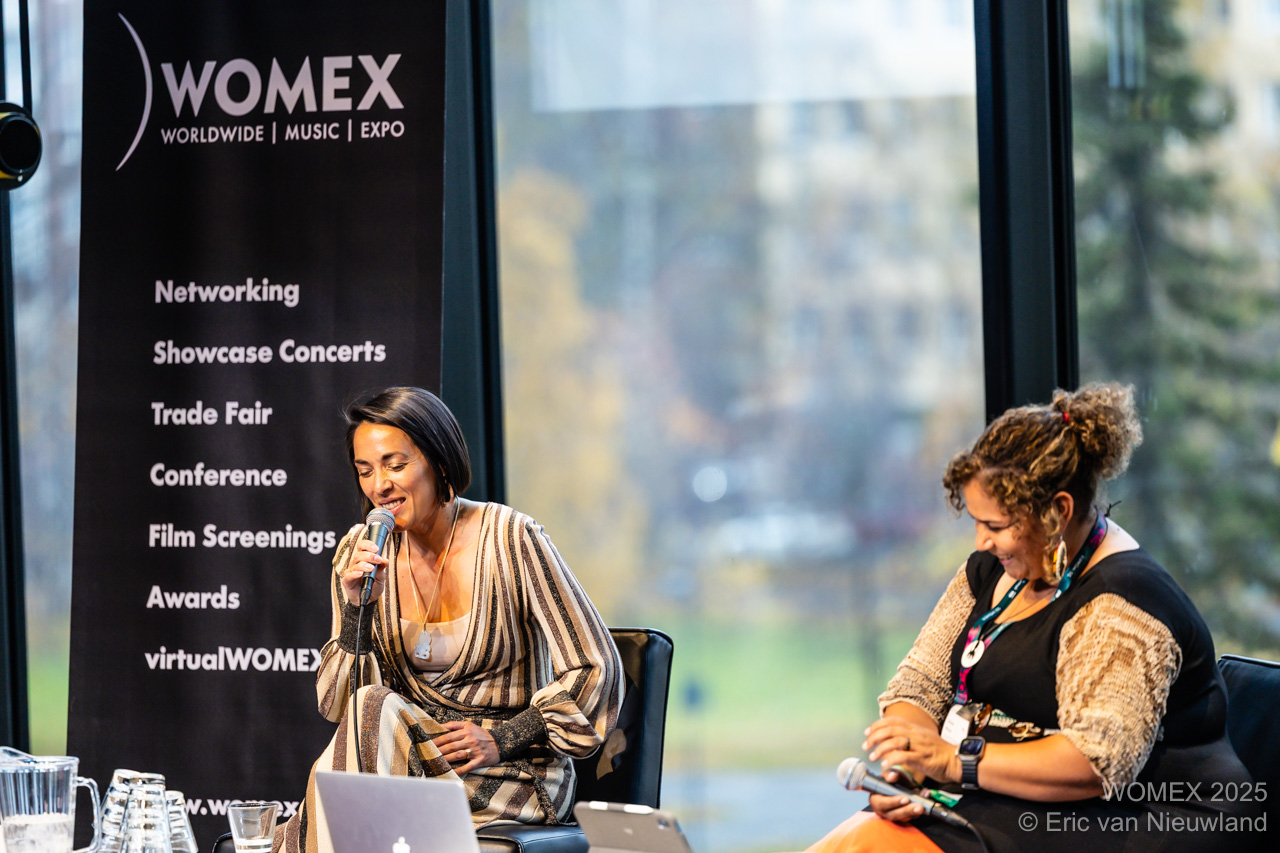
photo: Panel “Empowered Voices” by Eric van Nieuwland
Bulgaria’s presence at WOMEX is not new. For years, the Bulgarian Music Association has been bringing Bulgarian artists and music professionals into the international conversation through its presence at the Trade Fair, building visibility and connections beyond the country’s borders. What makes this edition particularly significant is the return of a Bulgarian artist to the Official Showcase Selection after several years. In 2026, that artist is Ivo Dimchev.
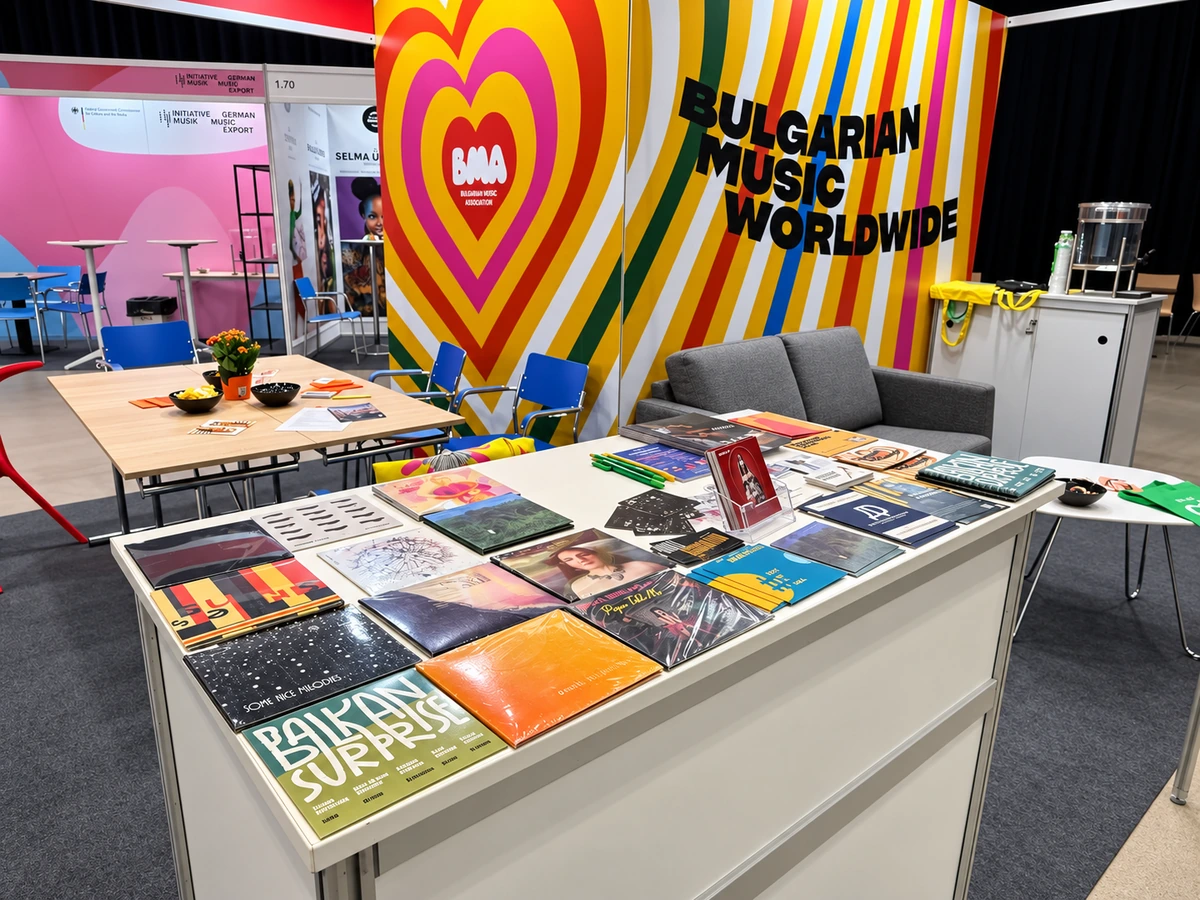
photo: The Bulgarian Music Association stand at WOMEX 2025
Dimchev performs in the Official Showcase Selection at midnight on 24 October at the Theatre Stage in Sala Sinfónica. It is an intriguing context for an artist who has spent much of his career moving deliberately between music, theatre, choreography, performance and visual art rather than settling inside one discipline. In a programme shaped by music that crosses geographical and stylistic borders, Dimchev’s refusal to fit neatly into one category feels entirely at home.
WOMEX audiences will encounter the artist in another form as well. Kristina Nikolova’s documentary In Hell With Ivo is part of the Film Library from 22 to 24 October. The film follows the period when Dimchev performed hundreds of free concerts in private homes during the COVID-19 lockdowns, while looking more broadly at artistic freedom, vulnerability and the personal cost of uncompromising self-expression. Having the artist on stage and his documentary portrait in the same edition offers two very different ways into the same body of work.
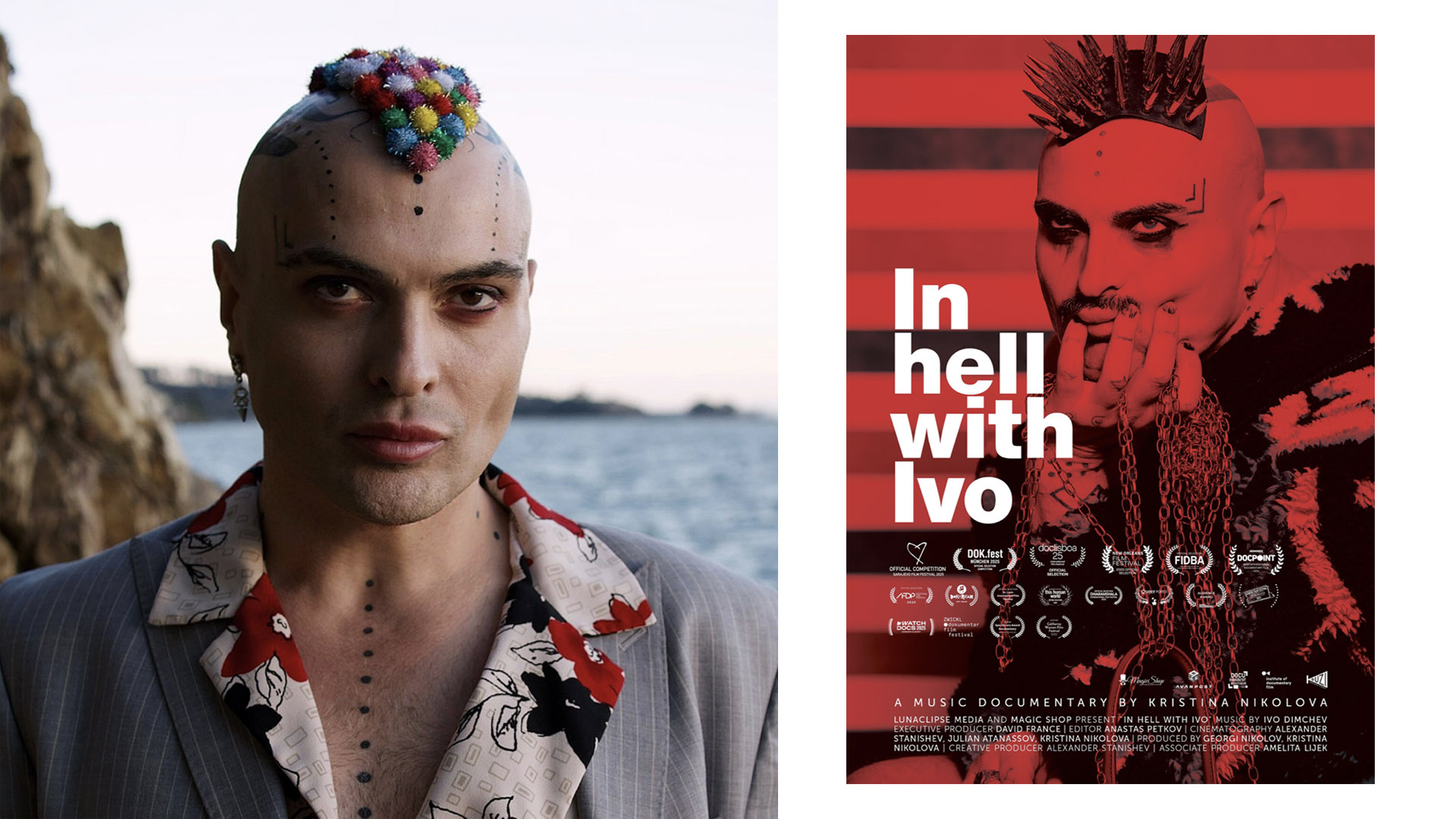
photo: Ivo Dimchev and the poster for the documentary In Hell with Ivo
This year’s wider programme keeps moving between music and the worlds around it. Bolivian Quechua singer Luzmila Carpio will receive the WOMEX Artist Award after more than six decades of music and cultural activism. Singing in Quechua at a time when the language was heavily repressed in Bolivia, she has used her work to defend Indigenous culture and speak up for the rights of Indigenous people, women and the environment, while continually bringing those traditions into the present.
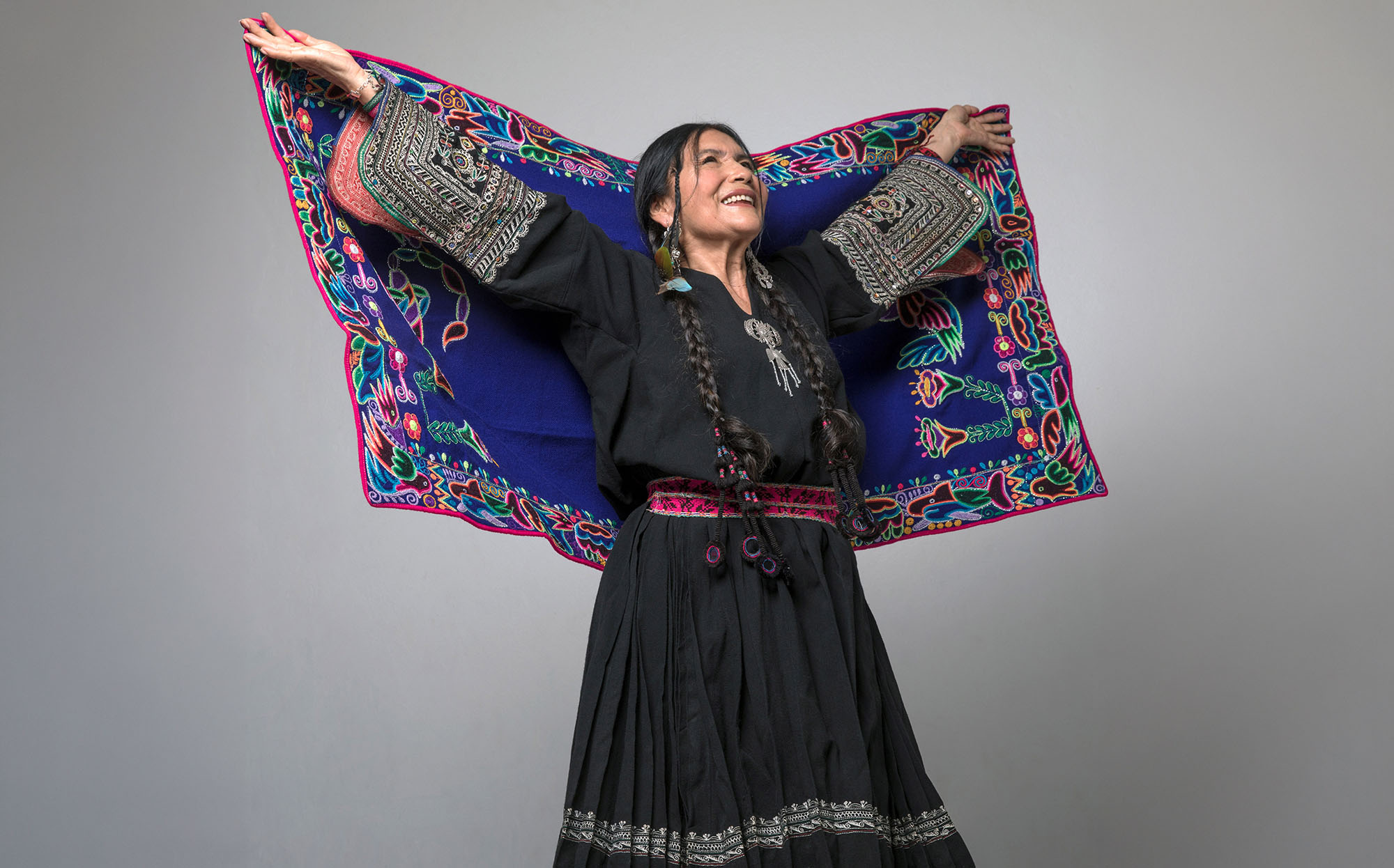
photo: Luzmila Carpio
The Professional Excellence Award will go to Jail Time Records, which began inside New Bell Central Prison in Douala, Cameroon. In 2018, the label created the first permanent recording studio inside an African prison and has since grown into a collective of musicians, producers and filmmakers working both within and beyond prison walls, using music as a path towards visibility, reintegration and a second chance. The project has expanded to other prisons in Cameroon and Burkina Faso and operates a studio in Douala supporting formerly incarcerated artists.
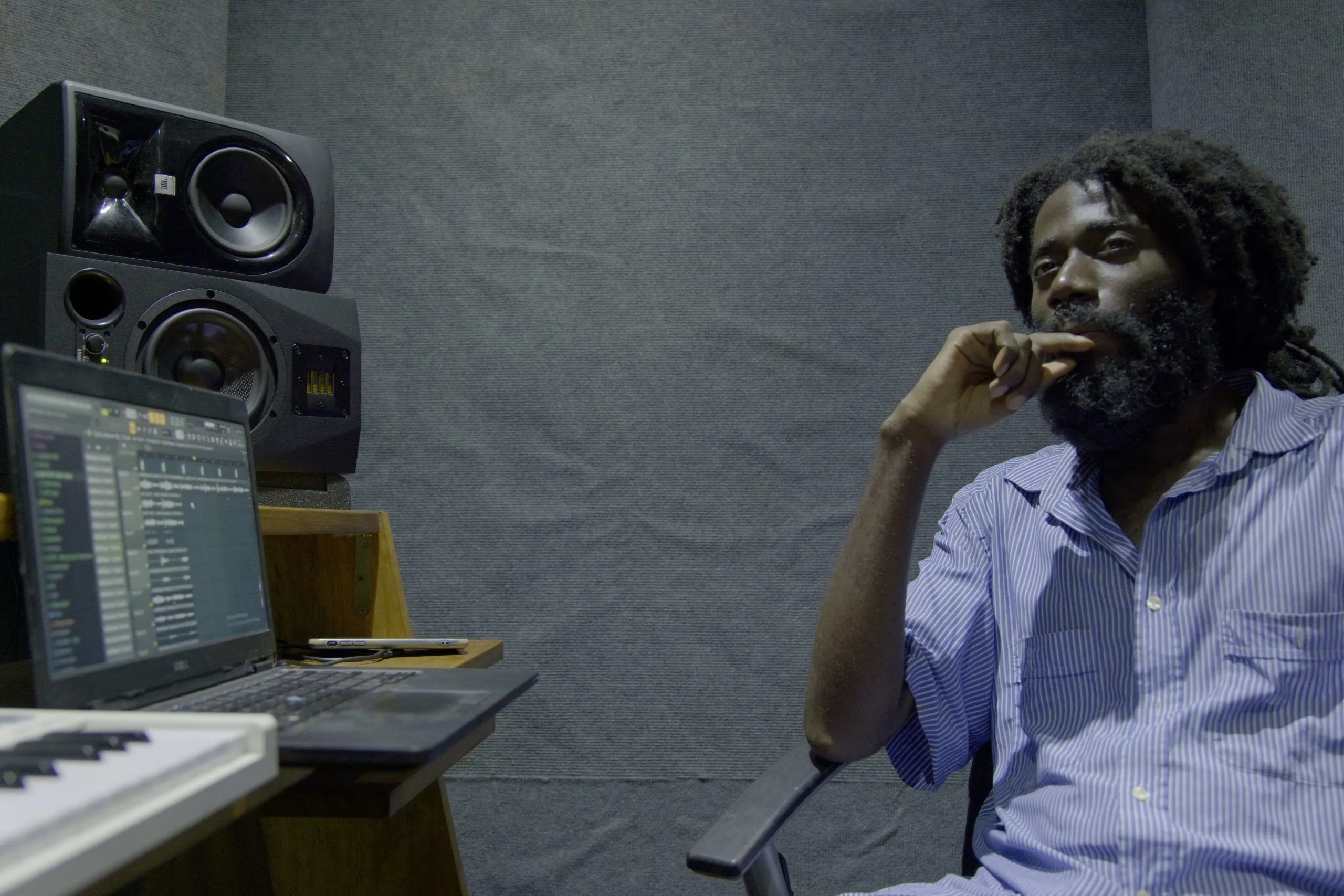
photo: Steve Happi, also known as Vidou H – music producer, DJ и co-founder of Jail Time Records
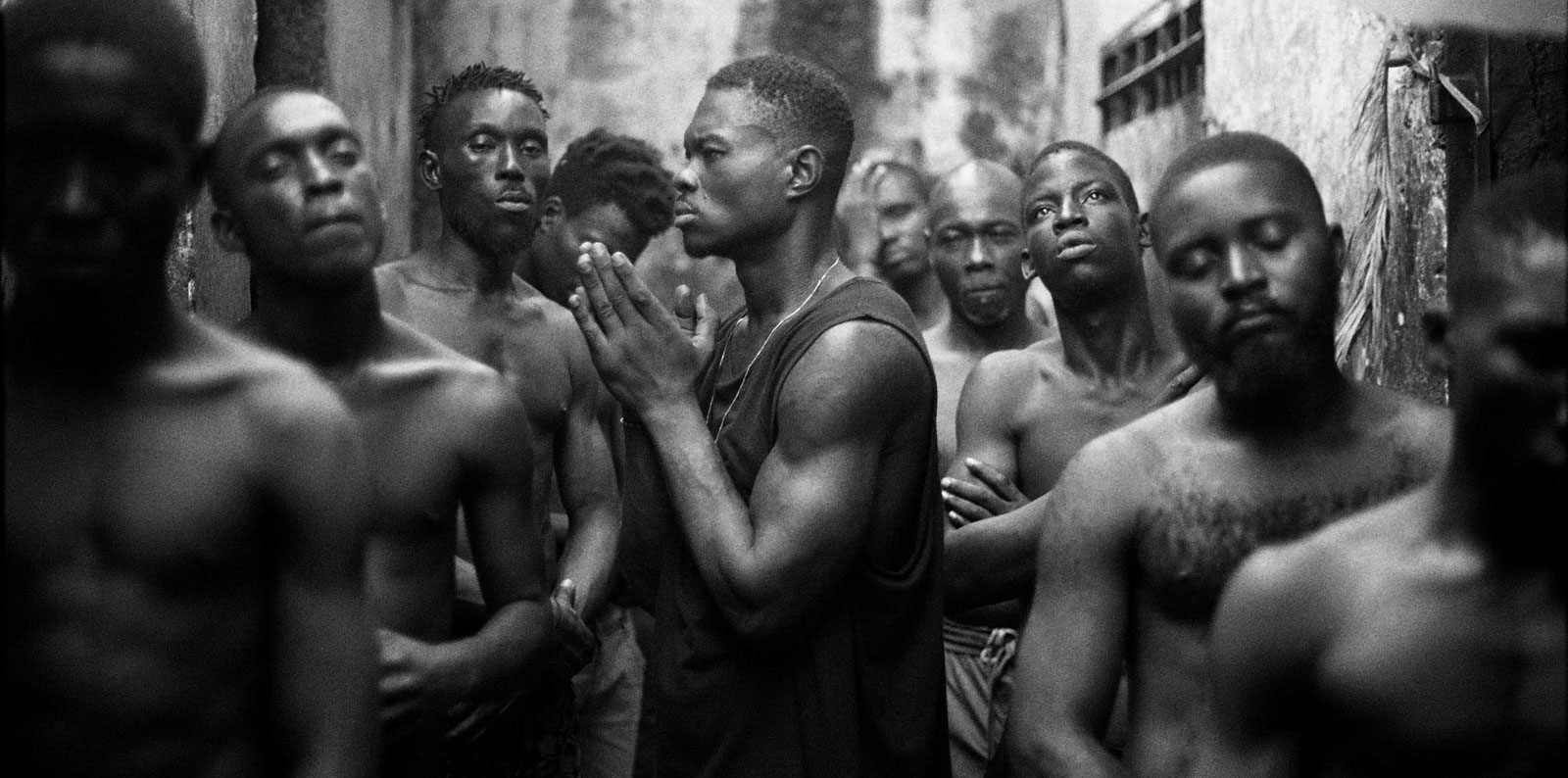
photo: Musicians associated with Jail Time Records at New Bell Central Prison in Douala, Cameroon
Perhaps that is the most interesting thing about WOMEX: discovery here is not limited to finding a new artist. It can also mean finding another way of thinking about how music survives, moves and reaches people.
Over the coming days, DINYA will be following both sides of that story – starting with a closer listen to some of the showcase artists that have caught our attention.
text: Sofia Hussein for Dinya
images: courtesy of Womex and the artists